
Understanding the Basics of Casino Gambling
Casino gambling has long been a prominent form of entertainment, enticing millions with the allure of winning big. At its core, gambling in casinos involves placing a wager on games of chance, where the outcome is largely dependent on luck. Many players seek out the best online casino to enhance their experience, but newcomers often harbor misconceptions about how these games operate. It’s essential to grasp not only the mechanics but also the ambiance and psychology behind the gaming experience, as these factors can greatly influence one’s enjoyment and approach to gambling.
Different games cater to various preferences, from table games like blackjack and poker, which require skill and strategy, to slot machines that rely solely on lucky spins. Understanding the rules and odds associated with each game can significantly influence one’s approach. Moreover, recognizing the house edge, which is the statistical advantage a casino has over players, is fundamental for those looking to maximize their enjoyment and minimize losses. This understanding can provide players with realistic expectations about their chances of winning and the potential for losses.
In addition, the social aspect of casino gambling cannot be overlooked. Many people visit casinos not just for the games but also for the vibrant environments and the opportunity to socialize. This social interaction can often blur the lines between recreational play and serious gambling, leading to common myths that exaggerate the risks involved. Comprehensive education about both the games and the gambling culture can help individuals make informed decisions while enjoying their experience and navigating the atmosphere effectively.
Myth: You Can Develop Strategies to Beat the House
One prevalent myth among gamblers is the belief that you can develop foolproof strategies to consistently win against the house. While strategic play can enhance a player’s chances, particularly in games like poker or blackjack, it’s crucial to understand that all casino games are designed with a mathematical edge favoring the house. This means that while players can influence their short-term outcomes through skillful play, long-term success is statistically improbable. This misconception often leads to players investing time and money in strategies that may not yield the desired results.
For example, in blackjack, card counting may increase a player’s odds slightly. However, casinos are well aware of this tactic and often implement measures to counteract it, such as shuffling the deck frequently or limiting the number of decks used in play. This demonstrates the casino’s advantage and reinforces the idea that no method can guarantee success in the long run. Understanding this balance between luck and skill is vital for managing expectations in gambling and avoiding the pitfall of chasing losses with ineffective strategies.
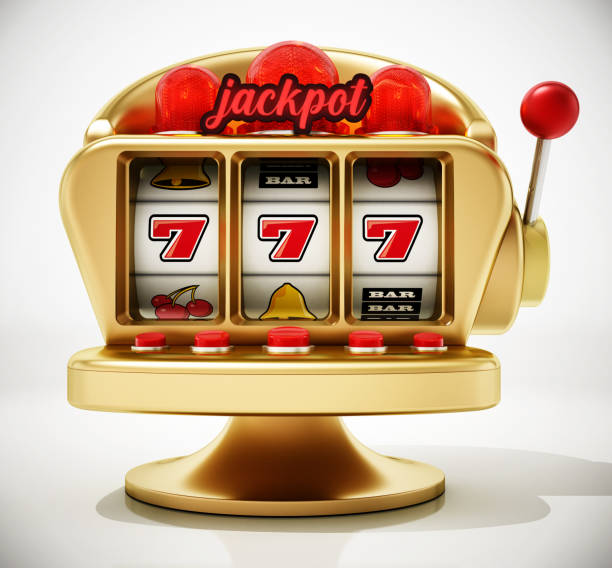
Moreover, the allure of becoming a professional gambler can lead many down a rabbit hole of persistent betting and unrealistic hopes of wealth. Many individuals mistakenly believe that they can achieve financial freedom through gambling. In reality, gambling should be viewed as a form of entertainment rather than a reliable income source. Being aware of this myth can help players stay grounded and approach gambling with a healthy mindset, emphasizing enjoyment over profit and fostering a more responsible approach to their gaming activities.
The Illusion of “Hot” and “Cold” Machines
Another common myth is the perception of “hot” and “cold” slots, where players believe that certain machines are due for a jackpot or are on a losing streak. This belief stems from the idea that past results can influence future outcomes, which is fundamentally flawed when it comes to slot machines. Each spin of a slot machine is random and independent, governed by a random number generator that ensures no pattern can be predicted. This randomness is a crucial element that players must understand to avoid falling into common traps.
The excitement surrounding the idea of “hot” machines may cause players to gravitate towards specific games they believe are more favorable. However, this is a psychological trap rather than a strategy. The randomness of each spin means that each player, regardless of their previous success or lack thereof, has an equal chance of winning. The more one understands the mechanics behind these machines, the more one can appreciate their role in the gambling experience without falling prey to misconceptions about winning streaks or losing streaks.
Furthermore, the belief in “cold” machines can lead to unnecessary frustration among gamblers. Those who walk away from a particular machine after a string of losses often blame the machine’s supposed cold streak, not realizing that the odds remain unaltered. Education on how these machines function, coupled with a realistic approach to wins and losses, can greatly enhance a player’s experience and enjoyment. By dispelling these myths, players can focus on the fun aspect of the games rather than the false hopes of patterns and streaks.
Gambling and Addiction: Separating Fact from Fiction
The notion of addiction in gambling is surrounded by misconceptions that can cloud public perception. One prevalent myth is that all gamblers will inevitably become addicted. While gambling addiction is a real and serious issue, it does not affect everyone who partakes in gambling activities. Many individuals engage in gambling responsibly and enjoy it without negative consequences. This distinction is crucial in understanding the broader context of gambling and its impact on individuals.

Understanding the signs of problem gambling is essential for those involved in the activity. Responsible gambling practices, such as setting limits and sticking to a budget, can help individuals enjoy gambling while mitigating the risks of developing an addiction. Public resources and support systems are available for those who may feel they are losing control, emphasizing that identification and assistance are crucial in combating problem gambling. By fostering a culture of awareness and responsibility, the gambling community can help reduce the stigma surrounding addiction.
It’s also important to recognize the role of personal responsibility in gambling behaviors. By fostering a healthy environment around the activity, players can mitigate risks and focus on the entertainment aspect of gambling. This understanding reinforces that, while gambling can pose risks, it can also be a harmless pastime when approached with care and responsibility. Encouraging open discussions about gambling and its potential pitfalls can contribute to a more informed and responsible gambling culture.
Exploring Resources for Responsible Gambling
Many casinos and online platforms have begun embracing the importance of responsible gambling by providing resources and support for their patrons. These initiatives aim to educate players about the risks associated with gambling while promoting positive experiences. Information about setting limits, recognizing signs of problematic play, and accessing professional help is made readily available to ensure a safe environment. This proactive approach helps to build trust between players and the establishments they frequent.
Additionally, responsible gambling tools, such as self-exclusion programs and cool-off periods, are increasingly common. These features allow players to take a break from gambling activities, helping to prevent impulse decisions driven by emotions. By prioritizing player well-being, casinos are actively combating myths surrounding gambling and fostering healthier engagement. Such measures can empower players to maintain control over their gambling habits and encourage responsible enjoyment.
At its core, the goal is to ensure that gambling remains a source of entertainment rather than distress. Organizations dedicated to addressing gambling addiction provide extensive resources, including counseling and support groups, helping individuals navigate their experiences. By raising awareness and providing education, the gambling community is working towards diminishing the stigma often attached to gambling and addiction. This commitment to responsible gambling not only enhances player experiences but also fosters a healthier gaming environment for all participants.